14 Cartoons About German Driving License Requirements That Will Bright…
페이지 정보

본문
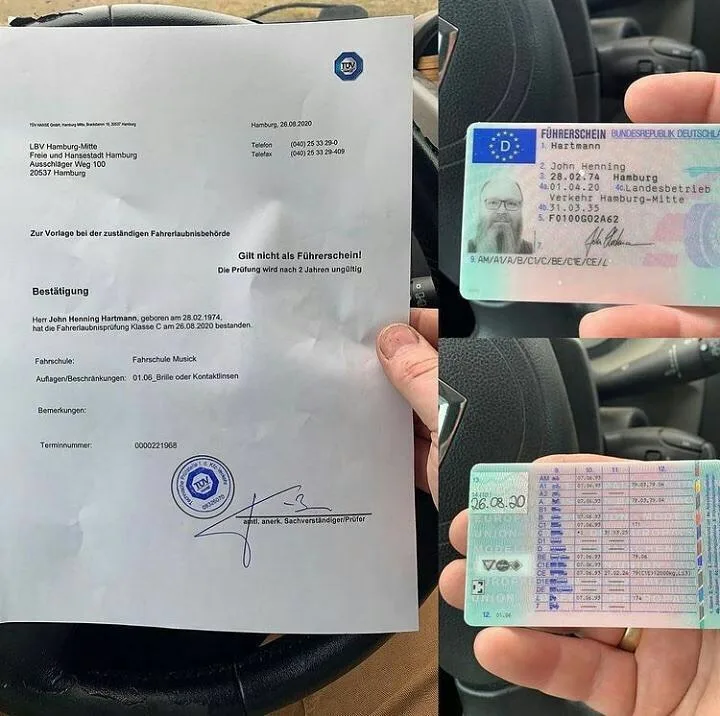
Understanding German Driving License Requirements: A Comprehensive Guide
Obtaining a driving license in Germany is an uncomplicated process, however it comes with particular requirements that require to be fulfilled. This blog post will dig into the essential components of acquiring a German driving license, consisting of the types of licenses offered, the actions to get one, and regularly asked concerns that potential motorists might have.

Kinds Of German Driving Licenses
Before diving into the requirements, it is essential to understand the various types of driving licenses available in Germany.
| License Type | Description | Age Requirement | Validity Period |
|---|---|---|---|
| Class A | Bike (as much as 750cc) | 24 years | 15 years |
| Class A1 | Light bikes (as much as 125cc) | 16 years | 15 years |
| Class B | Automobiles (approximately 3.5 lots) | 18 years | 15 years |
| Class BE | Cars and trucks with trailers (approximately 3.5 lots) | 18 years | 15 years |
| Class C | Trucks (over 3.5 lots) | 21 years | 5 years |
| Class CE | Trucks with trailers | 21 years | 5 years |
| Class D | Buses | 24 years | 5 years |
| Class DE | Buses with trailers | 24 years | 5 years |
Secret License Classifications
- Class B: The most commonly looked for license, permitting people to drive cars, vans, and light trucks.
- Class A: Ideal for motorcycle lovers, which has actually more subcategories based upon engine size.
- Class C and Class D: Necessary for those looking to drive larger lorries, such as trucks and buses, each requiring separate certifications.
General Requirements for a German Driving License
Getting a driving license in Germany involves numerous actions, beginning with age eligibility to passing necessary tests. Below is a thorough list of the requirements:
1. Age Requirement
Candidates must meet the minimum age requirement for the specific license class they wish to acquire, as noted in the table above.
2. Residency Status
Only residents of Germany or individuals with a permanent address in the country can look for a German driving license.
3. Health Certificate
A medical assessment is required to ensure that the candidate meets the health standards necessary to drive. This includes vision tests and assessments of physical and psychological fitness.
4. Theoretical Training
Prospects should register in a driving school (Fahrschule) to undergo theoretical training. This typically covers:
- Traffic rules
- Roadway signs
- Safety regulations
5. Theoretical Exam
After finishing the essential theoretical training hours (normally around 12 to 14 lessons), Read the Full Piece of writing) candidates need to pass a theoretical test, which includes multiple-choice questions.
6. Practical Training
Following the theoretical exam, prospects must finish a series of useful driving lessons. This training usually consists of:
- City driving
- Highway driving
- Night driving
- Driving in numerous weather conditions
7. Practical Exam
Upon successful conclusion of practical lessons, candidates will take a practical driving test where an inspector assesses their driving skills in genuine traffic conditions.
8. Application Submission
As soon as all tests are completed successfully, candidates need to submit their application to the regional driving license authority (Führerscheinstelle) in addition to pertinent files like identification, proof of residency, and certificates of exam conclusion.
9. Charge Payment
There are charges associated with the application process, theoretical and useful tests, and providing of the license itself, which can differ by area.
Steps to Acquire a German Driving License
Here's a summed up step-by-step guide to getting a German driving license:
- Check Eligibility: Ensure you fulfill the age and residency requirements.
- Medical exam: Obtain a health certificate.
- Register in a Driving School: Start theoretical and useful lessons.
- Pass Theoretical Exam: Successfully finish the theoretical test.
- Complete Practical Lessons: Undergo practical driving training.
- Pass Practical Exam: Demonstrate driving skills in a dry run.
- Submit Application: Provide needed files and pay fees to the regional authority.
- Receive Your License: After processing, your driving license will be released.
Regularly Asked Questions (FAQs)
1. For how long does it take to get a German driving license?
The period varies considerably based on individual scheduling, but normally, it can take anywhere from 3 to 6 months from registration to receiving the license.
2. Can I transfer my foreign driving license to a German one?
Yes, depending upon your home country's agreement with Germany. Some licenses can be exchanged without extra tests, while others might require you to take a theoretical or useful test.
3. What takes place if I fail my examinations?
Prospects can retake the theoretical test multiple times. For the practical test, you normally have up to 3 efforts. Ought to you fail all attempts, it might require extra driving lessons.
4. Are there any exceptions for driving without a license?
No, driving without a legitimate license in Germany is unlawful. The charges can be extreme, consisting of fines and potentially criminal charges.
5. Can I drive while awaiting my license?
No, till the license is officially provided, people can not lawfully drive on public roads.
Obtaining a German driving license is a multi-step procedure created to ensure that drivers are well-prepared and qualified to run cars securely. By comprehending the requirements and following the laid out steps, potential motorists can browse the licensing journey effectively. It is essential to stay informed about the rules and make the essential preparations to delight in the flexibility of the road in Germany.
- 이전글20 Fun Informational Facts About MItolyn usa 26.03.13
- 다음글10 Things That Your Family Taught You About Repair Double Glazing Units 26.03.13
댓글목록
등록된 댓글이 없습니다.
